Paying attention matters - for learning, wellbeing and life success
In a time of constant notifications, endless scrolling and competing distractions in young people's lives, learning to pay close attention is one of the most important and valuable skills we can teach.
While this has always mattered for students, and indeed for all of us, the world we live in makes it more challenging than ever. Research continues to reinforce a simple truth: we learn what we pay attention to. Attention is the gateway to learning.
The ability to be present in the moment and focus deeply on a task, song, challenge, recipe, essay or project is also demonstrably positive for wellbeing.
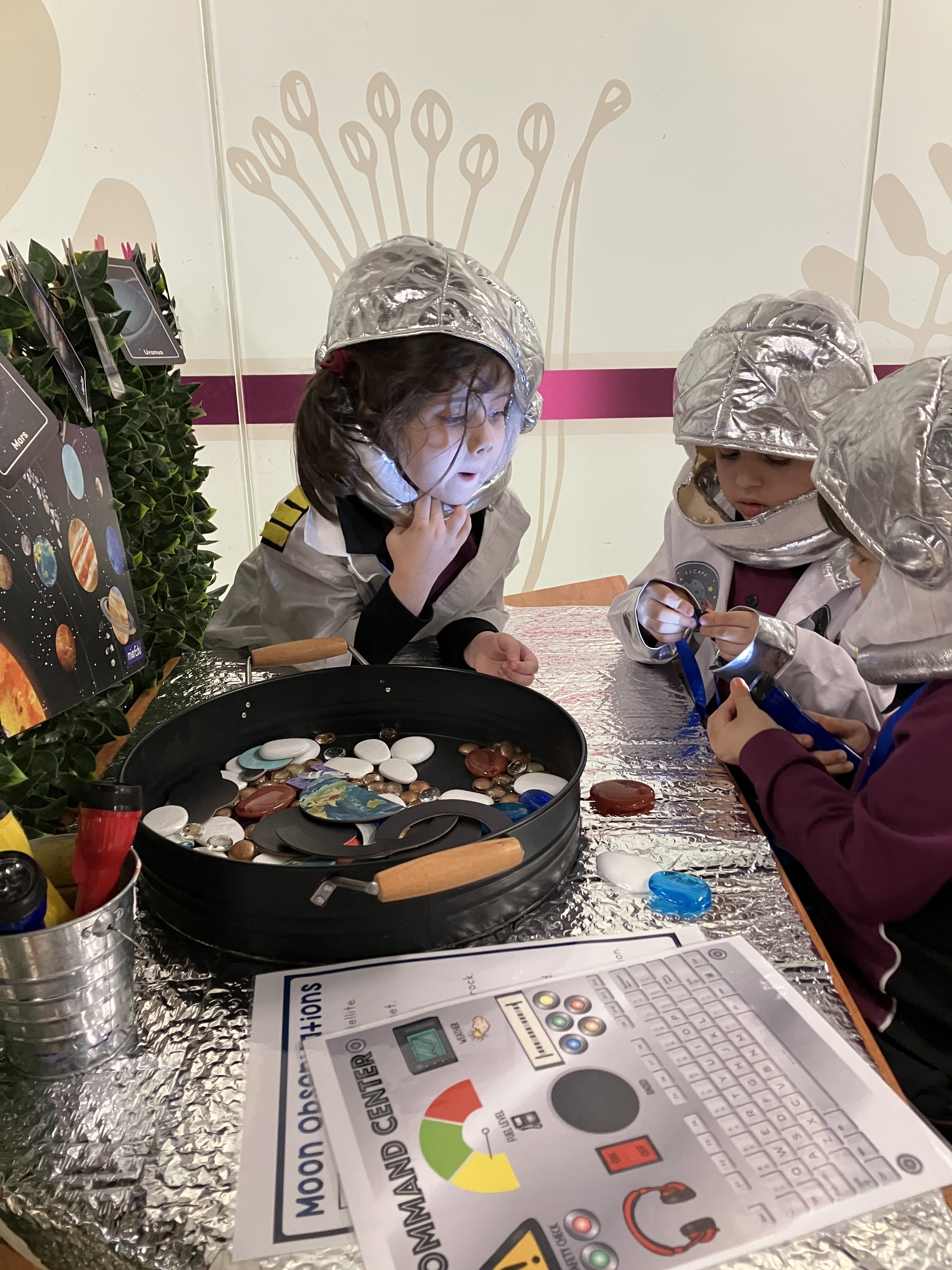
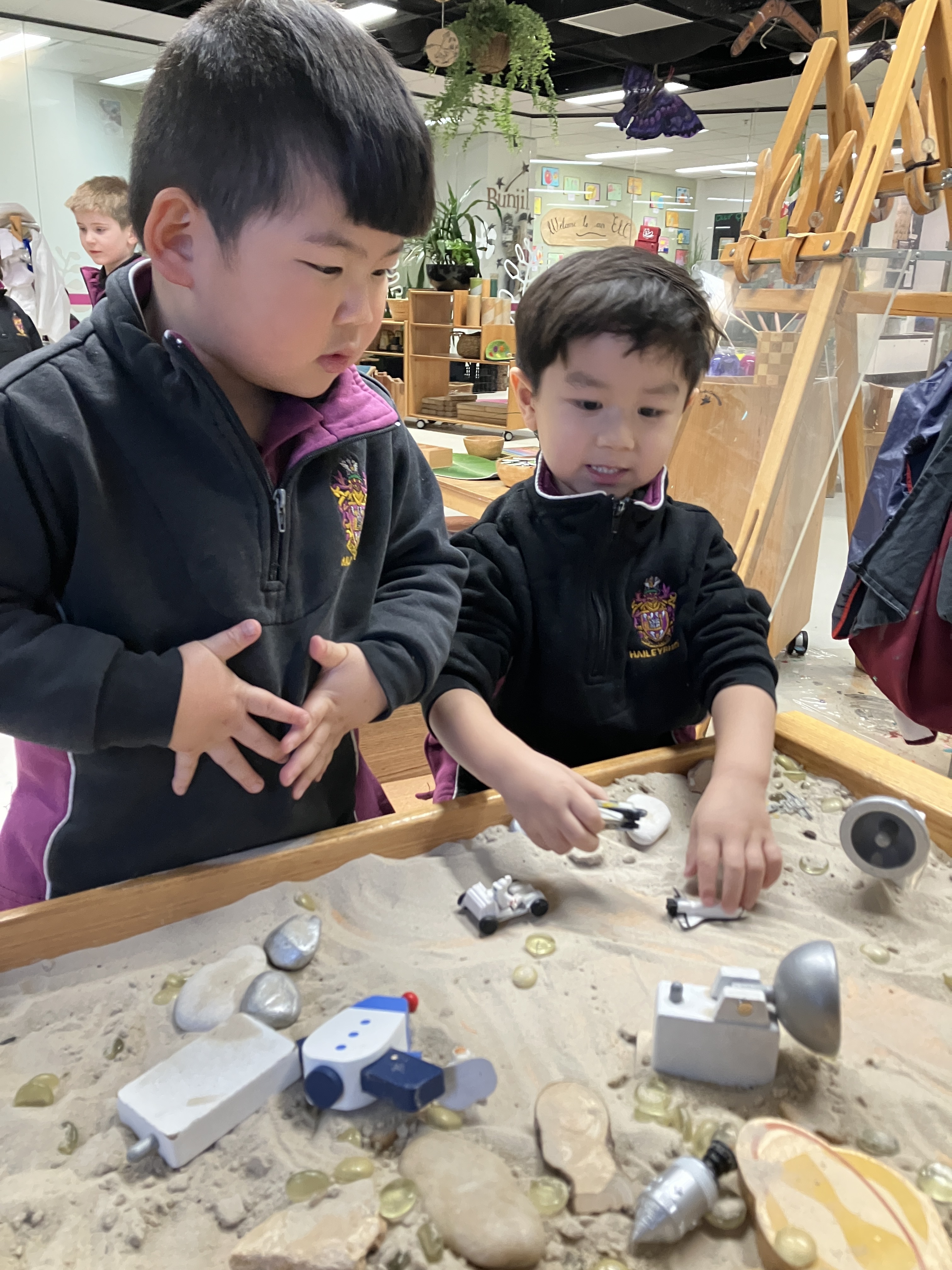
When students truly focus, they are more likely to understand new concepts, retain information and apply their learning in meaningful ways. Attention allows the brain to make connections, transfer information into long-term memory and engage in the deep thinking that underpins creativity and problem-solving.
At Haileybury, our commitment to consistent explicit instruction, coupled with clear rules around mobile phones and devices, and the calm, focused and respectful culture we nurture every day, creates optimal conditions for students to concentrate, minimise distractions and engage deeply in their learning.
Writer and researcher Johann Hari, in his book Stolen Focus, argues that many of us have noticed a growing inability to concentrate, be present and engage deeply with the world around us. He challenges the notion that this is simply a personal failing. Instead, he suggests that modern life has increasingly fragmented our attention through technology, information overload and the constant interruptions of notifications.
Sustaining focus allows young people to experience the satisfaction that comes from effort, progress and mastery. Paying attention supports emotional regulation, strengthens relationships and contributes to a sense of purpose and accomplishment. By contrast, when distractions overwhelm a student's ability to focus, they may be physically present but mentally elsewhere.
This is why conversations about devices and technology are, at their heart, conversations about attention.
The devices students use provide extraordinary opportunities for learning, connection and creativity. Yet they are also designed to capture and retain our focus. Every notification, alert and recommendation competes for a share of our attention. Hari describes attention as the foundation upon which much of life is built. If that foundation is continually interrupted, it becomes more difficult to engage in the deep work, meaningful relationships and reflective thinking that contribute to both achievement and wellbeing.
For this reason, periods of time away from devices are increasingly important. Time spent reading a book, playing sport, creating music, walking outdoors or simply talking with friends face-to-face allows young people to exercise different cognitive and emotional muscles. These experiences build concentration, patience, empathy, reflection and self-regulation.
Importantly, stepping away from devices is not about rejecting technology. Rather, it is about restoring balance. Just as our physical health depends on both activity and rest, our mental wellbeing depends on periods of connection and disconnection. Some of our most valuable thinking occurs not when we are consuming information, but when we are quietly processing it.
Young people need this time.
I hope many of you have joined us this year at one of the expert workshops we have offered for families as part of our SOAR – Safe Online Actions and Relationships roadshow. Our most recent session featured Kirra Pendergast, one of Australia's leading experts in online safety and digital wellbeing.
Kirra provided practical and relevant advice to help families better understand their child's online world and feel more confident navigating technology, social media and digital safety at home. Her presentation also reinforced the importance of creating the time, space and expectations that enable young people to focus deeply and engage fully in the world around them. Her presentation is still available online.
The development of SOAR reflects our commitment to supporting student wellbeing in the online world, an area that continues to present both opportunities and challenges for children, young people and families. I encourage you to explore the SOAR suite of resources provided for you.
In an age where so much is competing for our attention, teaching young people to focus, think deeply and to pay close attention may be one of the most important educational responsibilities we have. Attention is the gateway to learning and wellbeing.
At Haileybury, we are committed to creating the very best conditions for focused attention. Our students are learning mathematics, literature and science; they also learn to sustain effort, resist distraction, listen carefully, think critically and engage meaningfully with others.
These are life skills, and in a world increasingly competing for their attention, they may be among the most important gifts we can give our young people.